 Bayshore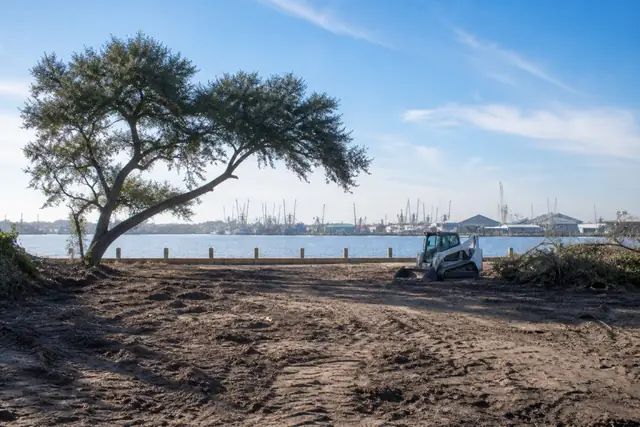
Bayshore Land Clearing puts Seabrook property owners in front of a local land clearing contractor for forestry mulching, brush removal, and site prep across the Seabrook area.
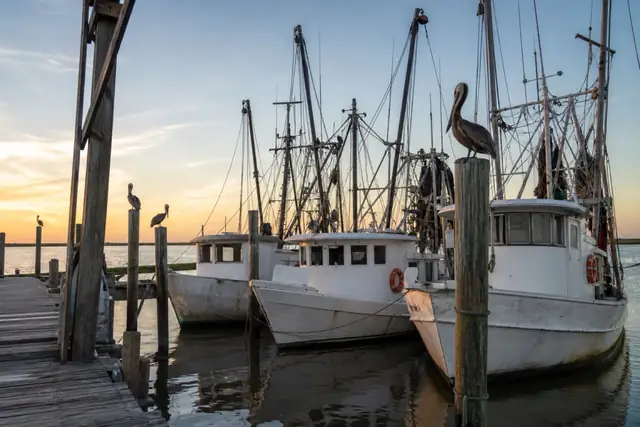
Seabrook is where the working bay is still visible from the street — shrimp boats at the Old Seabrook docks, bait camps on the channel, and 13,618 residents (2020 census) living between Galveston Bay and Clear Lake. Clearing here is waterfront trade work: lots prepped for stilt builds, salt scrub pushed back from bulkheads, and the wind-leaned live oaks that define the town's look kept standing through it all.
The ground changes at the water's edge — sandier lenses over the clay, higher water tables, and vegetation sorted by salt tolerance. Teardown-rebuild cycles drive much of the work: an older cottage comes down, and the lot needs clearing to its bones before the new elevated build goes up. That job rewards local knowledge about what the parcel hides, from old slabs to the septic system nobody mentioned.
Building lots in a surge zone
Seabrook builds with Ike in living memory — the 2008 surge moved through these blocks, and the town rebuilt upward onto piers and pilings. Site prep for elevated construction is its own discipline: the lot clears to grade, keeper trees get protected for the shade and wind-buffering they'll give the finished house, and the ground plan anticipates both the geotech rig and the pile driver that follow. Surge and storm context straight from the National Hurricane Center frames every siting decision on these blocks, and the City of Seabrook administers the local development rules that implement the lesson.
Drainage design leans harder toward the water table here than inland — a Seabrook lot may sit only a few feet above mean tide, so grading works with small numbers and no room for error.
The salt line in the vegetation
Walk inland from the bulkhead and the plant community changes block by block: salt-sculpted live oaks and yaupon nearest the water, then the standard prairie mix as the salt influence fades. Clearing specs follow that gradient — near the water the keepers are anything mature enough to have survived the salt and storms, while the removals are the opportunists, tallow chief among them, whose colonization of the upper Texas coast is tracked by the state invasives program.
Where lots touch the marsh fringe, the sensitivity rises: those edges are working habitat for the bay fishery the town's fleet depends on, and organizations like the Galveston Bay Foundation put real resources into protecting them. Machine work stays on the upland side, silt stays out of the water, and the marsh line is treated as exactly what it is — the boundary of the job.