 Bayshore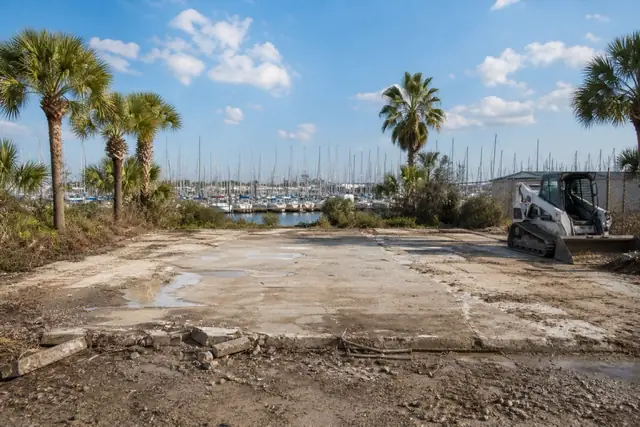
Bayshore Land Clearing puts Kemah property owners in front of a local land clearing contractor for forestry mulching, brush removal, and site prep across the Kemah area.
Kemah runs on its waterfront — the Boardwalk, the marinas, the channel where Clear Lake meets the bay — and its 1,807 residents (2020 census) hold some of the most redevelopment-pressed small lots on the upper coast. Clearing work here is mostly transition work: an old cottage comes down, palms and salt scrub get cut back, the lot clears to its slab, and something taller and higher off the ground goes up in its place.
The parcels are small, the access is tight, and the neighbors are close — tourist traffic included. Kemah jobs get scheduled around weekend crowds, staged inside the lot line, and finished clean, because in a city this compact the job site is on display. The ground itself is bayshore standard: clay with sandy veneers, high water influence, and vegetation sorted by decades of salt and storm.
Redevelopment lots and what they hide
A Kemah teardown lot is a layer cake of previous eras: the 1950s slab, the storm-era fill, the pipe nobody mapped. Clearing quotes for these parcels build in discovery honestly — vegetation is priced as vegetation, and demolition remnants surface as documented change items rather than surprises argued about later. The City of Kemah administers the permits that govern demolition and rebuild on these blocks, and elevation requirements do the real deciding about what gets built next.
Storm memory is a design input here the way it is everywhere on this shoreline — Ike's surge ran through Kemah's flats, and the rebuild pattern since has been up on pilings. The National Hurricane Center's archives explain the architecture better than any zoning document.
Coastal scrub, palms, and the maintenance clock
Kemah's vegetation splits between the planted and the volunteer: ornamental palms and oleanders from decades of shoreline landscaping, and the volunteer layer — tallow, vine mats, salt-tough scrub — that claims any lot between owners. The volunteers clear fast with compact equipment; the palms get case-by-case calls, since a mature planted palm is an asset to one buyer and a removal line to the next. Regional plant identification resources at Aggie Horticulture help owners sort the inventory.
For investors holding Kemah lots between projects, the maintenance math is simple: a scheduled clearing pass each year costs less than a reclamation every five, and a clean lot in a tourist town stays on the right side of code enforcement and the neighbors alike. The broader invasive-pressure context — why the lot refills so fast — lives at Texas Invasives.